Pharmacy customers often ask for quick relief from a sore muscle, stiff neck, or minor sprain, but the same request can hide an injury, infection, or nerve problem. By the end, you will know when a roll-on fits, how to explain safe use, what to verify before stocking it, and how to compare supply offers in Zirakpur.
Key takeaways
- Recommend it for minor, localized pain on intact skin.
- Tell customers to avoid eyes, wounds, heat, and tight bandages.
- Compare roll-ons with gels, sprays, balms, and oral medicines.
- Ask distributors for licence, batch, expiry, invoice, and storage details.
Which pharmacy complaints suit a pain oil roll-on?
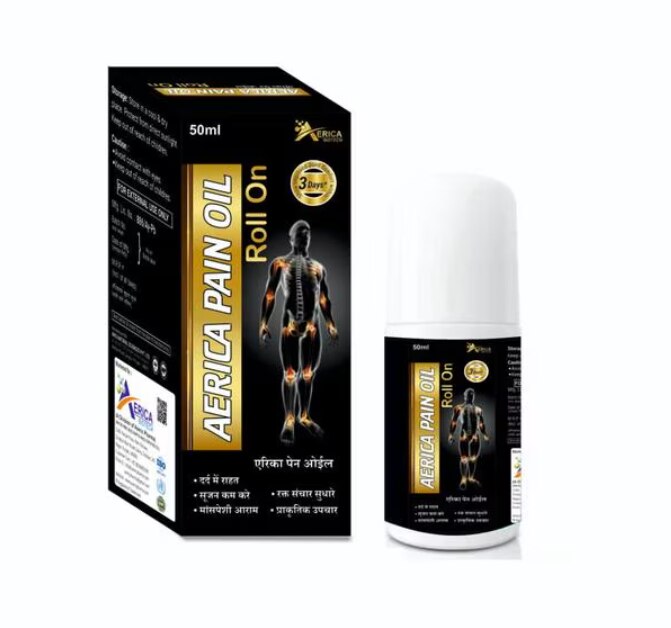
Suggest a pain oil roll-on for short-term, localized relief when the complaint is minor, the skin is intact, and no warning sign points to a serious injury or illness. The practical pain oil roll on uses in zirakpur include mild muscle aches, neck or shoulder stiffness, minor sprains, and limited joint discomfort.
Explain that it eases symptoms; it does not repair damaged joints or treat the underlying disease.
| Complaint | Roll-on fit | Refer instead when |
|---|---|---|
| Minor muscle ache or stiffness | Suitable adjunct for localized, short-term relief | Pain is severe, worsening, or follows major trauma |
| Mild sprain without deformity | Consider if movement remains possible and swelling is limited | Suspected fracture, marked swelling, deformity, or inability to bear weight |
| Small area of joint discomfort | Consider for temporary symptom relief | Pain is unexplained, recurrent, or persists despite brief self-care |
| Burning, tingling, or sore skin | Do not apply over the area | Loss of sensation, weakness, or suspected nerve compression |
Refer the customer for medical assessment rather than presenting the roll-on as treatment when fever accompanies pain or swelling, or when chest pain occurs. Send an infant or young child to a pharmacist or clinician before recommending an unfamiliar product; “herbal” or “Ayurvedic” does not remove age-specific risks from camphor or concentrated salicylates.
Stop self-care and refer if symptoms continue after the label’s short-use period.
How should customers apply and handle a roll-on safely?
Check the label before use: it must state external use, application frequency, warnings, ingredients, and age limits. Do not treat “herbal” or “Ayurvedic” as proof of safety, especially when the formula contains camphor or concentrated salicylates.
- Apply to clean, dry, unbroken skin over the painful area. Avoid the eyes, mouth, nose, mucous membranes, eczema, cuts, rashes, and infected skin.
- Roll on the number of passes stated on the label. If no number is given, use two or three light passes rather than repeatedly wetting the skin.
- Massage gently only if the label permits it; vigorous rubbing can increase irritation. Let the area dry completely, for at least 10 minutes, before clothing or a bandage covers it.
- Use it only as often as directed. Do not combine it with a heat pad, hot-water bottle, tight wrap, or another medicated topical product.
- Wash your hands after application, wipe oil from the bottle neck, close the cap firmly, and do not share the applicator. Store it upright, away from heat and direct sunlight.
Before sale, ask whether the user is an infant or child, pregnant or breastfeeding, elderly with fragile skin, allergic to any listed ingredient, or prone to eczema. Refer these customers to a pharmacist and follow the product’s age-specific directions. Stop use for burning, rash, swelling, breathing difficulty, or worsening pain, and seek medical advice.
Do not apply over a large area or continue beyond the label’s duration without professional guidance.
How does a roll-on compare with other pain-relief formats?
Choose a roll-on when the customer wants targeted, short-term relief for a small area without opening a jar or pouring liquid.
A pain oil roll on for pharmacy shelves offers controlled spot application, less hand contact, and easy carrying, but its convenience does not prove stronger pain relief; that depends on the ingredients, concentration, and evidence.
| Option | Practical difference | When it fits |
|---|---|---|
| Roll-on | Applies a measured layer to one spot with little mess | Neck, shoulder, minor muscle or joint discomfort |
| Balm | Needs fingers to spread and leaves a thicker, greasier layer | Customers who prefer rubbing the product in |
| Gel | Usually spreads easily and may feel lighter or cooler | Larger areas where a less oily finish matters |
| Spray | Covers an area without touching it, but can drift onto eyes or be inhaled | Hard-to-reach skin when careful spraying is possible |
| Patch | Stays in place for extended application but covers a fixed area | Customers wanting hands-free use; check wear-time directions |
| Oral medicine | Works through the bloodstream and can affect the whole body | Pain needing systemic treatment, after checking contraindications |
| Massage oil | Suits broader-area rubbing but requires more product and hand contact | A massage routine rather than precise application |
Do not present any topical format as curing arthritis, sciatica, fractures, infection, or persistent unexplained pain. A roll-on is the practical choice for localized minor discomfort, not a substitute for assessment when symptoms are severe or worsening.
What must a pharmacy verify before displaying and recommending the product?
Before it reaches the counter, verify the product’s legal category and paperwork, not just the words “herbal” or “Ayurvedic.” Ask the supplier for these records before onboarding the SKU:
- Intended category: Ayurvedic drug, cosmetic, or another category
- Manufacturer’s licence details and approved formulation
- Ingredient list, batch number, manufacturing date, expiry date, and certificate of analysis
- Licensed directions, warnings, age restrictions, and storage conditions
- Written complaint, adverse-reaction, and product-recall procedure
| Check | Evidence to inspect | Hold or reject when |
|---|---|---|
| Label | Sealed pack with readable ingredients, directions, warnings, batch and expiry details | Any required detail is missing, altered, or illegible |
| Quality | Certificate of analysis matching the batch and manufacturer details | The supplier cannot connect the certificate to the stock |
| Claims | Claims consistent with the licensed formulation and category | The pack promises to cure chronic disease or replace medical treatment |
| Stock handling | Storage instructions, intact roll-on, and first-expiry-first-out rotation | The seal leaks, the applicator is contaminated, or the expiry is too near |
| Counter service | Staff guidance based on the label, including child precautions | Staff cannot check camphor or concentrated salicylate warnings |
Do not recommend an unknown roll-on to infants or young children. For pregnancy, breastfeeding, allergies, sensitive skin, or persistent pain, direct the customer to a pharmacist or clinician instead of inferring safety from “natural” ingredients. Keep invoices and batch records so a complaint or recall can be traced quickly.
How should pharmacies compare Zirakpur distributors and wholesale offers?
Do not compare rates until you know what each offer includes. Ask an ayurvedic pain oil roll on distributor in zirakpur whether the product is licensed as an Ayurvedic drug, marketed as a cosmetic, or sold under another category; that answer determines its labelling, claims, records, and sales channel.
Request identical documents from Aseric Pharma and every competing supplier before choosing a lower-priced source.
Ask these questions before placing the purchase order:
- What manufacturing licence details, ingredient list, certificate of analysis, batch number, expiry date, warnings, and recommended-use instructions accompany each batch?
- What is the minimum order quantity, and does the quoted rate include GST, freight to Zirakpur, and promotional material?
- What lead time applies to the first order and repeat orders?
- Will you replace leaking, damaged, wrongly supplied, or short-dated stock?
- What expiry-return period applies, and who pays the return freight?
- What is the complaint, adverse-reaction, and product-recall procedure?
- Does any territory protection prevent the same SKU from being supplied to nearby competing pharmacies?
Compare pain relief roll on wholesale in zirakpur offers on total operating cost, not carton price alone.
| Measure | Strong offer | Risk to investigate |
|---|---|---|
| Documentation | Complete, batch-specific records | “Available on request” only |
| Stock terms | Written expiry replacement | No return commitment |
| Supply | Stated Zirakpur lead time | Verbal delivery promise |
| Territory | Clear channel or area terms | Same SKU sold to every nearby outlet |
| Claims support | Approved wording and training | Cure claims for arthritis or sciatica |
Related products
 | ayurvedic products Key Uses and Benefits This roll-on is formulated to provide a cooling sensation and deep penetration for the following conditions: Joint and Bone... View product → |
 | ayurvedic products Key Features and Use Purpose: Specifically designed to alleviate pain, inflammation, and stiffness in the joints and muscles. View product → |
Frequently asked questions
Which complaints suit a pain oil roll-on in a pharmacy?
A roll-on suits short-term, localized relief for mild muscle aches, neck or shoulder stiffness, minor sprains, and limited joint discomfort when the skin is intact. Refer customers for medical assessment after severe pain, deformity, numbness, fever, major swelling, or an injury that limits movement.
How should customers apply and handle a pain oil roll-on safely?
Apply a thin layer to clean, intact skin and follow the label frequency. Keep the product away from eyes, mouth, wounds, broken skin, heat sources, and tight bandages. Wash your hands after use, do not share the applicator, and stop use for burning, rash, or swelling.
How does a roll-on compare with other pain-relief formats?
A roll-on offers targeted application with less hand contact and less mess than many oils or balms. Gels spread easily over larger areas, sprays work without rubbing, balms feel thicker, and oral medicines affect the whole body and require more screening for contraindications.
What must a pharmacy verify before displaying and recommending a roll-on?
Check the manufacturer and marketer details, ingredient list, batch number, manufacturing and expiry dates, net quantity, directions, warnings, retail price, seal, and storage instructions. Request the relevant manufacturing or sale licence copy, such as Form 20B or Form 21B when applicable, and retain a tax invoice.
How should pharmacies compare Zirakpur distributors and wholesale offers?
Compare landed cost, minimum order quantity, batch expiry, replacement terms for damaged stock, delivery time, invoice quality, storage during transport, and promotional support. For an ayurvedic pain oil roll-on distributor in Zirakpur or pain relief roll-on wholesale in Zirakpur, reject offers that lack traceable batch documents or clear return terms.
Related products
 | ayurvedic products Key Features and Ingredients This 60ml herbal oil is crafted using traditional Ayurvedic ingredients known for their anti-inflammatory and analgesic... View product → |
 | ayurvedic products Key Features and Use Purpose: Primarily marketed as a traditional Ayurvedic massage oil for men to support vitality and address issues related to... View product → |
Keywords